Story Booth: Natalie Porias
Virtual
About This Event
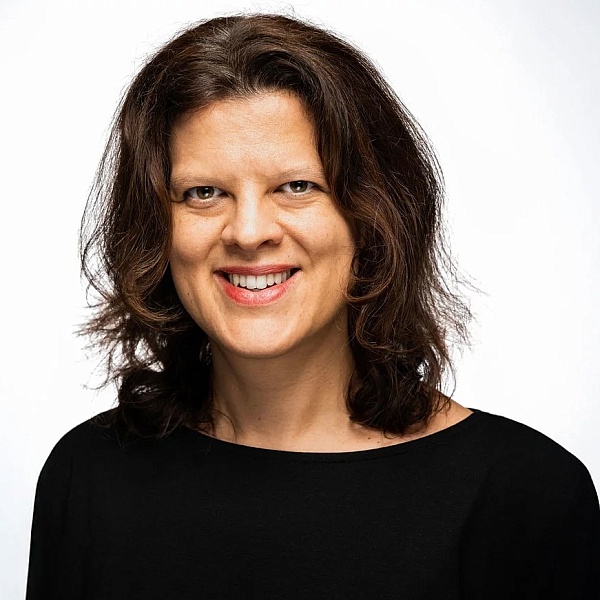 Natalie leads a community, movement and nonprofit that taps into the transformative power of laughter. Red Noses International meets people in tender moments of health crises and sparks joy through the power of "clowning". In a world that is increasingly disconnected, clown artists arrive and create a genuine human connection.
Female Clowns Enter A Women's Refugee Safe Zone
Full Transcript
Natalie Porias: So many things I can think about right now. Also, I love working with what we call the very vulnerable groups, which is women and children. And so we worked in a women's safe zone also in Lesbos, and it was mainly women from African countries in that safe zone. And you cannot imagine what these people, what they experienced, so it's really horrifying.
And many of them were pregnant. Also, not really because they planned on it, but things happen to them. And I went in only with the female clowns, because I had a nudge that this is something maybe that will create different energy, so I sent the guys to a different section of the camp, and we went in there. And one of our clown artists, she's amazing, her name is Tanya, and now she's actually in a leadership position.
Her clown character is very… she's very short. And she uses this. So this is the amazing thing about clowning, is that you start using your weaknesses as your strengths, right? So you basically… that's why clowning is very different from acting.
It's you… the clown, your clown is born out of yourself. And basically out of your shadow, the things that you're trying to hide from society, the things… it's a very vulnerable process. So she's short, and her clown is a very… it's an older lady who is very assertive. And she's always leading everything, although she's the shortest, and it's so funny.
And how much, especially the African woman, the elderly African woman, reacted to this in a good way. They were kind of becoming… her gang, right? They were all… and they started to just take charge, and they started to make music again. Music is so important to take music again, and I really did see that some women came out of their tents basically just wearing them nowhere, and it didn't matter, because we were all safe and wonderful, and we just played and laughed, and also there again, the people, the humanitarian aid staff afterwards was just like.
Oh my god, thank you so much, because actually this one person started to talk to me. Now I can have this connection with her, or it felt so good for me to see this young girl laugh, because I didn't know. They know all the stories. So that's sometimes the difficult position that I'm in as a head of mission, is that I don't have this protection of the clown, so I hear all the stories, and sometimes I share them with the team, sometimes I don't.
Also, not to influence, and because they need to be in the moment, and they need to do what they do best. But yeah, so there... so women and children, these unaccompanied minor houses, these are the places that I particularly enjoy bringing our work in because of the... Reconnecting those people with the notion, or telling me, hey, you can still laugh.
I think they really went through so much that we can't even relate to. And, yeah, so this is what I love, but I also love working with elderlies, people with dementia. It's beautiful. We enter their world.
It doesn't matter. And it's... there's some beautiful moments that, Where, I don't know, an elderly gentleman just tells the clown, oh, I love... I go swimming now, and it's...
obviously, we know it's not true, but the clown can step into that world and then just give the dignity back, because you always hear, no, it's not true, no, you're... and that's... you just validate what's there without judging. And I learned so much from that.
I'm not... always succeeding, I'm not this wonderful person who has no struggles and no vanities, and I think I'm just a human, but sometimes it helps me to remind myself if I take something too seriously, or if I'm too stressed out by something, then I just think, what would a clown do, and what can I learn from them? So...