Story Booth: Natalie Porias
Virtual
About This Event
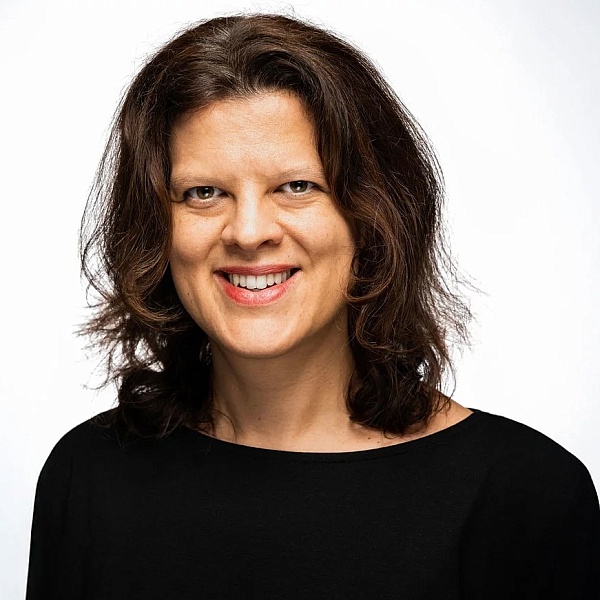 Natalie leads a community, movement and nonprofit that taps into the transformative power of laughter. Red Noses International meets people in tender moments of health crises and sparks joy through the power of "clowning". In a world that is increasingly disconnected, clown artists arrive and create a genuine human connection.
The Clown Carries The Story So You Don't Have To
Full Transcript
Andy Smallman: Because it's really about you, and you said that you don't have the protection of the cloud, and I'm wondering if you could expand on that. I mean, I think I understand it, but I'd really love to hear you tell us more about that.
Natalie Porias: Yes, so I need to go a little bit into clowning, the art of clowning there, and it's connected to what I said before, about that the clown is born. The clown is not... your clown has a history, they have a character, they have preferences. I think that's the big difference between acting and clowning, is that you are the clown.
A certain way, that's you, and it's interesting at once, and we call it with mask, so when they put on the red nose, the artists, you can also not really interact. So you don't... I don't call my teammates then by their actual name, but by their clown name. This is...
can you... because this is not... it took me a while to understand that. And so it's basically, you're there, then, the clown character.
And, very much, and it's related to this, in the moment, no agenda, having their inner questions that they're exploring. They let... I even sometimes hear them say, so let's say. Their clown name is Lily.
I'm saying anything now. So sometimes they would refer to Lily as, oh, I wish I was more like Lily. And they're... and they're...
and it's so interesting. And so when they're in this moment, and they're very focused, for instance, on the child, on the interaction, so they don't even see so much what's happening around. So this is where I come in as a head of mission. I need to keep them safe, so that they're not, I don't know, falling, tripping over something.
And obviously, because they're interacting, a lot of people then come to me, because I'm in civil clothes. I'm like, don't wear anything, maybe a t-shirt with a logo or something. But they come and sometimes people ask questions or say, oh, this is so nice, thank you very much, and then they start telling their story, which I find is a huge gift. But I hear those stories as Natalie, and I don't have the power of the clown character with me.
I don't have this, maybe protection was the wrong word, actually. Maybe it's more the protection and power, I don't know, but it's like I'm there as me. And depth, sometimes the distinction is not easy, especially, and this is also personal for me, especially when it comes to gender-based violence. That's just a big topic for me that I feel very triggered by, or very—let's say, when I hear stories about that, I find them extremely sad and extremely horrifying.
And so when we work in these spaces and I hear all those stories, it's just so I don't have this, maybe, this luxury in this moment. To just see the human being, because the clown just sees the human being, and I suddenly see the victim, or the—I don't like to use that word, but in some of these stories. Yeah, I don't find a better word right now, but it is, so that's sometimes difficult, I want to say. But we do also have mechanisms, because it's not always that the artist can shake everything off.
It's because they also, especially in elderly care, know a patient for years, and then this person passes away, so we do have all these mechanisms in place, also to give them psychosocial support, and so on. I can also take it if I wanted, so there's always this safety net. But I've heard it a lot of times that the artists say it's easier for them than once they go back into their real character and their real… somehow the story stays with the clown. This is… I know it's a bit complex, it took me a while to understand, but I think it's also very beautiful.