Story Booth: Natalie Porias
Virtual
About This Event
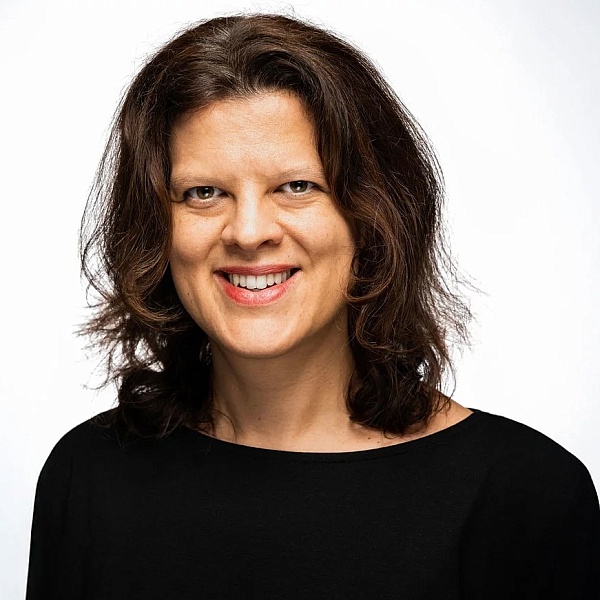 Natalie leads a community, movement and nonprofit that taps into the transformative power of laughter. Red Noses International meets people in tender moments of health crises and sparks joy through the power of "clowning". In a world that is increasingly disconnected, clown artists arrive and create a genuine human connection.
From Washing Clown Costumes To CEO
Full Transcript
Audrey: You mentioned at the very beginning of the call, you started as an intern 20 years ago, or something like that, and I'm curious, what drew you to begin with, to this work, to clowning?
Natalie Porias: It's interesting because sometimes you can't really... if you connect the dots backwards, you're like, what was the moment? I think I was in a space in my life, where after university, after all of these things, where you're kind of looking for... I always thought I was going to be a journalist.
So I never thought that leadership and the NGO world and... Working with clowns was somehow in the stars for me, and I saw this internship advertised because that's a very typical Austrian thing to offer internships in the summer months, because schools are off, universities are off, and so then you can apply for internships, and I was actually looking for a job. And as it is with the job market, you get one rejection letter after the other, especially when you're young, because they're kind of looking for these superhuman people that have a ton of experience but at the same time don't cost anything, and it's this contradiction. And I saw this internship advertised, and...
And I was like, okay, why not? Actually, I haven't... I was always curious, so I think that's also something that me and the clowns have in common. I know Red Noses.
It was quite well known in Austria. But I only knew it on the surface. I'm like, oh, that sounds nice. It's an opportunity for me, if they take me, to gather experience that I don't have yet, because I would intern with media companies, or TV, or newspapers, and all these non-NGO-related things.
That sounds interesting. And actually, it was in fundraising. I had no idea what fundraising is, I just googled it and applied for the internship. Maybe a little bold, or you don't care, might as well just try.
And I got the internship, and then, very quickly, I kind of fell in love with the whole idea, because I remember I walked into this office. We're still in the same office now. It's a bit run down, but I walked in and it felt different. Oh my god, people are really nice here.
It felt like you could see them smile, and I'm not saying everything is always perfect. We do have our conflict, and people fight. It's not like we're this happy bubble where everybody is always joyous; that would be just not true. But I could feel that something was different here, and then I was lucky enough, and I'm forever grateful to her, our founder, with two founders, our founder couple.
They're not a real couple, but I called them a couple because they were still running the organization, so I got to learn a lot from them. Then I just fell in love, this moment I mentioned before about observing this artistic training that really changed for me a lot. So, yeah, this is how… and then I really literally… and the organization is not the same, because when I started, we were 4 countries, now we're 11, and I really worked… and it was always challenged, so I never… even now, I'm never bored, so I always keep on learning, and I was very happy and grateful when my founder, then our founder, said at one point, listen, I think you're the next one, and so, like I said, very interesting. That's a whole different podcast.
Transition, but also a very rewarding journey with, like I said, also friction, and ups and downs. But yeah, so that's… that's… that's the story of intern to CEO. I wash the laundry, I wash the costumes of the clowns, all of these things, and so on.